Elevating Visual Identity with Acacia Floral Wreath Clip Art in Modern Design
In the evolving landscape of digital design and artisanal branding, the intersection of natural aesthetics and technical precision has become a defining characteristic of successful visual communication. Professionals and creators are increasingly seeking assets that bridge the gap between organic warmth and scalable utility. The Acacia Floral Wreath Clip Art represents more than just a decorative element; it embodies a strategic response to the growing demand for authentic, nature-inspired visuals that maintain professional versatility across print and digital mediums. As the creative industry shifts away from sterile minimalism toward textured, emotive design, botanical assets have moved from peripheral decoration to central brand pillars.
The Resurgence of Botanical Aesthetics in Professional Branding
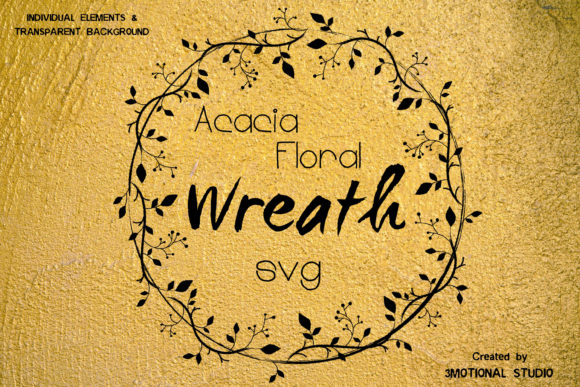
The current market trajectory shows a distinct preference for "biophilic design," a concept originally rooted in architecture that has permeated graphic design and marketing. Consumers and clients alike are responding to visuals that evoke tranquility, sustainability, and organic connection. The Acacia plant, with its delicate feathery foliage and symbolic associations with resilience and elegance, offers a specific visual language that generic floral vectors cannot replicate. When integrated into logo creation or DIY branding, this specific botanical wreath provides an immediate narrative anchor, suggesting heritage, care, and natural beauty without relying on clichéd imagery.
This trend is particularly relevant for entrepreneurs in the wedding, wellness, and artisanal goods sectors. However, its application extends far beyond these niches. Corporate entities are also adopting softer, more human-centric visual identities to counterbalance digital fatigue. By utilizing high-quality Botanical Wreath of plant branches, designers can soften corporate messaging, making brands appear more accessible and grounded. The acacia’s intricate texture adds a layer of sophistication that flat, geometric shapes often lack, providing the "dreamy, natural feel" that modern audiences crave while retaining the structural integrity required for professional logos and stationery.
Technical Versatility: Meeting the Demands of Multi-Platform Workflows
While aesthetic appeal drives initial selection, technical specifications dictate long-term utility. Modern creative workflows are non-linear; a designer may need to use the same asset for a large-format banner, a laser-cut wooden sign, and a social media avatar within the same hour. This necessitates assets that are resolution-independent and format-agnostic. The comprehensive file suite accompanying this Acacia Floral Wreath addresses these friction points directly.
The inclusion of a 12x12 inch PNG at 300 dpi (4500x4500 pixels) with a transparent background serves as the immediate workhorse for raster-based projects. For scrapbooking, digital planning, or quick web mockups, this high-resolution file ensures crisp edges without the need for vector software. However, for professionals engaged in logo creation or commercial printing, the vector formats are where the true value lies. The provision of SVG, DXF, EPS, PDF, and Adobe Illustrator files (both CC and version 10) ensures compatibility across the entire production spectrum.
- SVG and DXF: Essential for crafters using Cricut or Silhouette machines, as well as designers creating responsive web graphics that scale infinitely without pixelation.
- EPS and AI Files: The industry standard for professional print shops and branding agencies, allowing for deep editing and color separation.
- PDF Vector: A universally accessible format for client proofs and office-based printing needs.
- Legacy Compatibility: Including an Adobe Illustrator 10 file demonstrates an understanding of real-world constraints, ensuring that users with older software versions or legacy systems are not excluded from the workflow.
Customization as a Standard Expectation
In the era of template-based design, differentiation is the primary challenge for freelancers and marketers. Using stock art "as is" is rarely acceptable for professional deliverables. The ability to edit the Botanical Wreath in EPS, DXF, PDF, SVG, and AI formats transforms this product from a static image into a dynamic design system. Color customization in Adobe Illustrator allows creators to align the wreath precisely with brand palettes, seasonal campaigns, or specific client preferences.
This editability supports the broader shift toward modular design systems. Instead of viewing the wreath as a fixed border, forward-thinking designers deconstruct the vector paths to create secondary assets—isolating individual acacia sprigs for patterns, extracting the circular frame for badges, or adjusting the stroke weight to match typography. This level of manipulation is only possible because the source files are true vectors rather than traced images. For DIY branding enthusiasts, this means achieving bespoke results without commissioning custom illustration work, significantly lowering the barrier to entry for high-end visual identity.
Practical Applications Across Creative Disciplines
The specific characteristics of the Acacia Floral Wreath make it uniquely suited for a variety of practical applications. Understanding these use cases helps professionals maximize the return on their digital asset investments.
Elegant and Rustic Wedding Stationery
The wedding industry continues to favor personalized, tactile experiences. This wreath serves as an ideal framing device for invitations, save-the-dates, and menu cards. Its balance of detail and negative space allows for legible typography placement, a common failure point in denser floral clip art. The rustic yet refined nature of the acacia bridges the gap between bohemian outdoor ceremonies and formal indoor receptions, making it a versatile choice for stationers managing diverse client portfolios.
Logo Creation and Small Business Branding
For florists, herbalists, eco-friendly skincare lines, and boutique retailers, the wreath functions as a container for logotypes. The circular form naturally guides the eye inward, focusing attention on the business name. Because the vector files allow for color changes, a single asset can support a brand through various iterations—full color for packaging, monochrome for embossing, or reversed white for dark backgrounds. This adaptability is crucial for small businesses that need cohesive branding across disparate touchpoints without purchasing multiple variations.
Crafting and Physical Product Decoration
The DXF and SVG compatibility opens doors for physical manufacturing. Makers can use these files to cut vinyl decals for jars, engrave wood slices for centerpieces, or etch glassware. The 12x12 inch dimension aligns perfectly with standard cutting mat sizes, reducing material waste and setup time. This direct-to-fabrication workflow exemplifies how digital assets now drive physical product lines, merging the roles of graphic designer and product maker.
Navigating Digital Asset Management and Licensing
As creators build extensive libraries of digital resources, organization and clarity become paramount. Receiving a single ZIP file containing all necessary formats streamlines asset management, preventing the clutter of scattered downloads. However, users must remain mindful of the digital-only nature of this product. There is no physical shipment; instant access facilitates rapid prototyping and last-minute client revisions, but it also places the responsibility of file backup and organization squarely on the user.
Furthermore, understanding the distinction between personal and commercial licensing is vital for professionals. While the technical specs allow for broad usage, ethical and legal compliance requires verifying rights for resale versus end-product use. The high quality and editable nature of these files suggest they are intended for integration into new works rather than redistribution, aligning with best practices in the creative marketplace. Responsible usage protects both the creator's livelihood and the integrity of the design ecosystem.
Future-Proofing Creative Resources
The decision to include both modern and legacy file formats indicates a forward-looking approach to asset longevity. Technology moves fast, but professional environments often lag due to budget cycles and stability requirements. By supporting Adobe Illustrator 10 alongside CC, and offering open standards like PDF and SVG alongside proprietary AI files, this Acacia Floral Wreath Clip Art insulates users against obsolescence. It acknowledges that while trends change, the fundamental need for high-quality, editable, and aesthetically resonant botanical elements remains constant.
Ultimately, the value of this botanical wreath lies in its dual capacity to inspire and to function. It satisfies the emotional desire for natural beauty while meeting the rigorous technical demands of modern production. For the professional designer, the marketer building a brand, or the crafter bringing a vision to life, it represents a reliable foundation upon which countless unique projects can be built. In a digital world that often feels ephemeral, investing in robust, versatile, and beautiful assets is a tangible step toward creating work that endures.