Floral Wallpaper Designs: Curating Atmosphere in Modern Digital and Physical Spaces
The resurgence of botanical aesthetics in contemporary design is not merely a nostalgic cycle; it represents a fundamental shift in how we curate our environments. Floral wallpaper designs have evolved from static, repetitive patterns into dynamic tools for spatial definition and digital expression. For professionals, creators, and homeowners alike, these designs now serve as a bridge between biophilic needs and modern aesthetic sensibilities. Whether applied to physical walls in a home office or utilized as high-resolution digital backgrounds for content creation, floral motifs offer a unique combination of organic warmth and structured visual interest that minimalism often lacks.
Understanding the current relevance of floral wallpaper designs requires looking beyond traditional interior decoration. In an era dominated by screens and remote work, the boundaries between physical interiors and digital interfaces have blurred. A freelancer designing a portfolio website might select a subtle, desaturated peony pattern to convey elegance without distraction, while an educator might choose vibrant, large-scale tropical foliage to maintain student engagement during virtual lessons. The versatility of these designs allows them to function as both ambient texture and active branding elements, adapting to the specific psychological and functional requirements of the user.
The Evolution From Ornamentation to Functional Design
Historically, floral patterns were primarily ornamental, serving to display wealth or adhere to period-specific decorative styles. Today, the application of floral wallpaper designs is driven by intentionality and function. The modern approach treats pattern as a form of environmental psychology. Research in workspace design consistently suggests that incorporating natural elements reduces cognitive fatigue and stress. However, bringing live plants into every setting is not always feasible due to lighting, maintenance, or budget constraints. High-quality floral wallpapers provide a practical alternative, delivering the restorative benefits of nature-inspired visuals without the logistical overhead.
This functional evolution is also evident in the technical specifications of modern designs. We have moved past the flat, two-dimensional prints of previous decades. Current trends emphasize depth, shadow, and scale manipulation. Macro-photography style florals create a sense of immersion, turning a wall into a window rather than a barrier. For digital creators, this translates to backgrounds that possess enough textural complexity to look professional on camera while remaining unobtrusive behind text overlays or video feeds. The design is no longer just about covering a surface; it is about engineering a specific mood or focal point.
Adapting to Hybrid Work and Content Creation
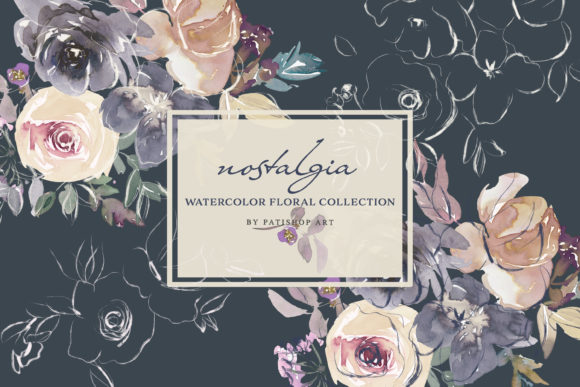
The rise of hybrid work models has fundamentally altered user expectations for background aesthetics. Professionals frequently transition between physical offices and home environments, necessitating a cohesive visual identity across both realms. Floral wallpaper designs have become a strategic asset in this context. A muted, watercolor-style botanical print can soften the harshness of a home office setup, making video calls feel more welcoming and less clinical. Conversely, bold, graphic florals can serve as a memorable backdrop for streamers and influencers, helping to establish a recognizable brand atmosphere that distinguishes their content in a saturated market.
For marketers and business owners, the choice of floral imagery extends to digital assets. Website headers, social media templates, and presentation slides increasingly utilize floral textures to humanize corporate messaging. The key lies in selecting designs that align with brand values. A sustainability consultant might opt for native wildflower illustrations to reinforce ecological commitment, while a luxury real estate agent might prefer stylized Art Deco florals to signal sophistication. This semantic alignment ensures that the aesthetic choice supports the broader communication strategy rather than competing with it.
Navigating Scale, Color, and Composition
Selecting the appropriate floral wallpaper design requires a nuanced understanding of scale and composition relative to the intended medium. One of the most common pitfalls is ignoring the relationship between pattern size and viewing distance. In physical spaces, large-scale murals work best when viewed from a distance, creating an immersive environment suitable for feature walls in living areas or conference rooms. Small-scale, dense repeats, however, are better suited for smaller spaces like powder rooms or hallways where the viewer is in close proximity. Applying a massive mural pattern in a cramped corridor can result in visual chaos, while a tiny repeat on a grand lobby wall may dissolve into indistinct noise.
In digital applications, scale takes on a different meaning related to screen resolution and aspect ratio. Creators must ensure that floral wallpaper designs retain clarity across devices. A pattern that looks intricate on a desktop monitor may appear muddy or pixelated on a mobile screen. Furthermore, the concept of "negative space" is critical for digital backgrounds. Effective designs for Zoom calls or content overlays leave adequate open areas—often in the center or upper third of the frame—to accommodate faces or text. Designs that are too busy throughout the entire canvas fail functionally, regardless of their artistic merit.
- Color Psychology: Warm tones (reds, oranges) stimulate energy and conversation, ideal for creative studios or dining areas. Cool tones (blues, greens) promote focus and calm, better suited for offices and bedrooms.
- Contrast Management: Ensure sufficient contrast between the wallpaper and any foreground elements. Low-contrast designs are safer for text-heavy applications, while high-contrast works for pure ambiance.
- Lighting Interaction: Matte finishes absorb light and reduce glare, essential for rooms with strong natural light or for use behind video lighting rigs. Satin or metallic accents reflect light and add dimension but require careful placement to avoid hotspots.
- Pattern Directionality: Vertical patterns elevate ceiling height visually, while horizontal or diagonal flows can widen a narrow space or guide the eye across a digital layout.
Sustainability and Material Innovation
As consumers and businesses prioritize environmental responsibility, the materiality of floral wallpaper designs has become as important as the visual pattern itself. The market has shifted significantly toward eco-conscious production methods. PVC-free substrates, water-based inks, and FSC-certified paper stocks are now standard expectations rather than premium add-ons. For entrepreneurs and educators who model sustainable practices, specifying these materials reinforces authenticity. Peel-and-stick options using non-toxic adhesives have also gained traction, offering flexibility for renters and temporary installations without generating waste associated with traditional paste removal.
Digital sustainability is a parallel consideration. While digital wallpapers do not consume physical resources, file optimization matters. Using excessively large image files for web backgrounds slows load times and increases energy consumption. Modern workflows involve balancing aesthetic fidelity with performance. Vector-based floral patterns or efficiently compressed raster images allow for crisp displays without the carbon footprint of heavy data transfer. This technical mindfulness is part of the contemporary designer’s toolkit, ensuring that beauty does not come at the cost of usability or efficiency.
Practical Implementation Strategies
Integrating floral wallpaper designs successfully requires a methodical approach to sampling and testing. Never commit to a full installation or a branded asset library based solely on a screen preview. Physical samples should be taped to multiple walls and observed at different times of day to understand how natural and artificial light alter the color temperature. For digital projects, test the wallpaper in the actual software environment. Colors render differently in Photoshop versus a web browser or video conferencing platform. What appears as a soft sage green in a design file might read as grey or neon depending on color profiles and compression algorithms.
Consider the longevity of the selection. Trends move quickly, but walls and brand identities require staying power. The most enduring floral wallpaper designs tend to be those rooted in natural observation rather than stylized fashion. Botanical accuracy and timeless color palettes generally outlast novelty prints. If you desire trend-forward aesthetics, apply them through removable mediums or digital assets that can be updated seasonally, reserving permanent installations for classic interpretations. This layered approach allows for freshness without the risk of premature obsolescence.
- Define the Objective: Determine if the goal is relaxation, stimulation, branding, or spatial correction before browsing.
- Audit the Environment: Assess existing furniture, flooring, lighting, and architectural features to identify complementary or contrasting needs.
- Source Responsibly: Prioritize vendors with transparent supply chains and designers who credit original botanical sources.
- Test Rigorously: Validate physical samples in situ and digital files across target devices and platforms.
- Plan for Maintenance: Understand cleaning requirements for physical papers and licensing terms for digital assets to ensure long-term viability.
The Future of Botanical Aesthetics
Looking forward, floral wallpaper designs will likely continue to integrate with smart technology and personalized wellness. We are beginning to see explorations in augmented reality where static floral patterns trigger interactive digital experiences via mobile devices, blending physical decor with informational or entertainment layers. In the wellness sector, circadian-responsive lighting systems are being paired with specific wallpaper hues to support natural sleep-wake cycles. These developments suggest that floral patterns will increasingly be treated as active components of building management systems and digital ecosystems rather than passive decoration.
However, amidst technological integration, the core appeal remains human. People seek connection to the natural world because it grounds us in an increasingly abstract existence. Whether through a hand-painted mural in a boutique hotel or a carefully curated digital background for a webinar, floral wallpaper designs fulfill a deep-seated need for organic beauty. By approaching these designs with strategic intent, technical awareness, and respect for material integrity, professionals and enthusiasts can create spaces and experiences that are not only visually stunning but genuinely supportive of modern life. The flower on the wall is no longer just a decoration; it is a deliberate interface between the built environment and the human experience.