Dreamy Peony Floral Wreath for Creative Projects
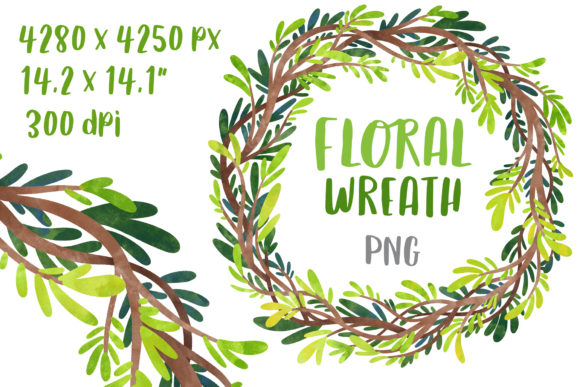
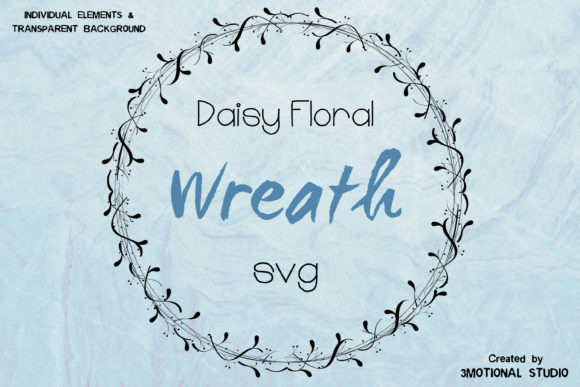
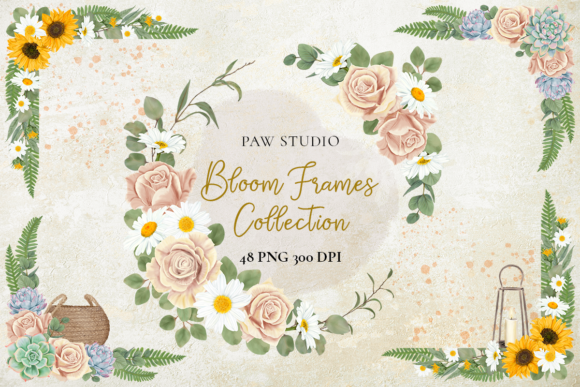
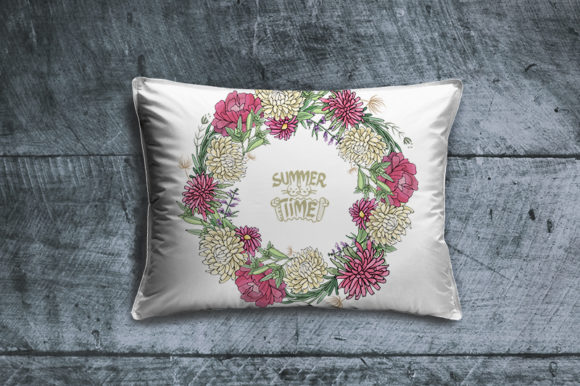
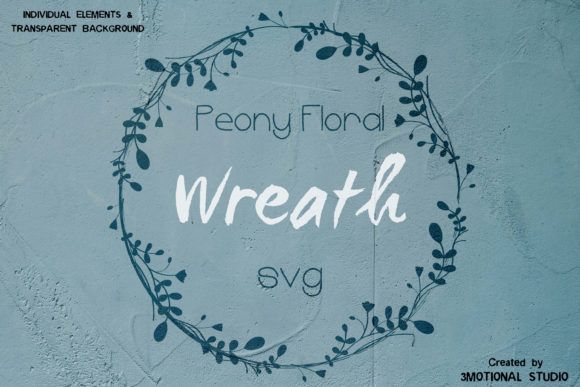
Adding a touch of organic elegance to your designs often comes down to finding the right botanical element. A peony floral wreath serves as more than just a decorative border; it acts as a versatile frame that instantly softens layouts and adds a romantic, natural aesthetic. Whether you are designing wedding invitations, creating product packaging, or working on a digital scrapbook, this specific style of plant branch arrangement brings a dreamy quality that rigid geometric shapes simply cannot achieve. The combination of lush peony blooms with delicate greenery creates a balanced composition that feels both curated and wild, making it an ideal foundation for projects requiring a specific, earthy feel.
Versatile Applications for Digital and Print Design
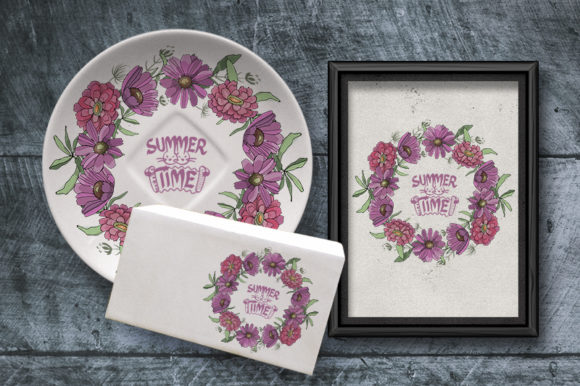
The primary appeal of this botanical asset lies in its adaptability across different mediums. Because the design captures the intricate details of nature, it bridges the gap between rustic charm and modern sophistication. For wedding stationery, the wreath provides a classic focal point for typography, allowing names and dates to nestle naturally within the curve of the branches. This is particularly effective for couples seeking an elegant or bohemian theme without resorting to overly ornate Victorian clip art.
Beyond events, small business owners and DIY branding enthusiasts find immense value in this type of imagery. Logo creation often requires a symbol that conveys growth, beauty, or natural ingredients. A peony wreath can encircle a brand name or stand alone as a secondary logo mark for social media avatars and watermarks. In the realm of crafting and scrapbooking, the high-resolution nature of the file ensures that printed memories retain their vibrancy. You might use it to frame a photograph in a physical album or as a digital overlay in a Canva template. The transparency of the background means it integrates seamlessly over colored papers, textured linens, or solid digital backdrops without awkward white boxes disrupting the visual flow.
Understanding File Formats and Technical Flexibility
When downloading digital design assets, understanding what you are receiving is crucial for workflow efficiency. This collection arrives as a single zip file containing multiple formats to accommodate various software preferences and skill levels. Having options ensures that whether you are a professional graphic designer or a hobbyist using basic tools, you can utilize the artwork effectively.
- PNG (4500x4500 pixels): This raster image features a transparent background and is sized at 12x12 inches with 300 DPI resolution. It is perfect for direct placement in documents, print projects, and digital designs where editing individual vector points is not necessary. The high pixel count ensures crisp edges even when printed at full size.
- SVG Vector File: Scalable Vector Graphics are essential for web design, Cricut, and Silhouette cutting machines. Unlike pixels, vectors use mathematical paths, meaning you can resize this wreath to fit a business card or a billboard without losing quality.
- DXF Vector File: Specifically optimized for cutting software, this format ensures smooth lines for vinyl decals, laser engraving, or paper cutting projects.
- EPS and PDF Files: These are industry-standard vector formats compatible with most professional design software and some free viewers. They preserve the scalability and editability of the design.
- Adobe Illustrator Files (.ai): The package includes both a CC version for current users and an Illustrator 10 version for those using older software. This backward compatibility is a thoughtful inclusion for creators who have not upgraded to the latest Creative Cloud subscription.
Customizing Colors and Editing Botanical Elements
One of the most significant advantages of choosing a vector-based botanical wreath over a static photograph is the ability to customize it to match your specific color palette. While the PNG offers immediate usability, the EPS, DXF, PDF, SVG, and AI files open up a world of creative control within Adobe Illustrator or similar vector editing software.
If your wedding colors are sage green and blush pink rather than the default tones of the original artwork, you can easily select the specific plant branches and petals to adjust their hue, saturation, or brightness. This level of customization transforms a generic stock element into a bespoke design feature. For logo designers, this means matching the foliage exactly to a client’s brand guidelines. Even beginners can learn to ungroup the vector layers and apply global color swatches, making the design process faster and more cohesive. This editability extends to rearranging elements; if you need a semi-circle arch instead of a full circle, vector files allow you to delete or move individual leaves and flowers to reshape the composition entirely.
Practical Considerations Before You Begin
Before incorporating this peony floral wreath into your next project, there are a few practical factors to keep in mind to ensure the best results. First, always verify your software compatibility. If you plan to edit colors or reshape the wreath, ensure you have access to vector editing software like Adobe Illustrator, Affinity Designer, or Inkscape. If you only have access to photo editors like Photoshop or Canva, rely on the high-resolution PNG file, as you will not be able to manipulate the vector paths in raster programs.
Consider the scale of your final output. While the 300 DPI PNG is excellent for standard printing, massive format printing like signage may benefit from the infinite scalability of the SVG or EPS files. Additionally, remember that this is a digital-only product. There is no physical item shipped to your door, so immediate download and proper file organization are key. Create a dedicated folder for these assets to avoid losing track of the specific format you need later.
Finally, think about negative space. A wreath is defined as much by the empty center as it is by the foliage. When placing text or logos inside, ensure there is adequate breathing room. The organic, uneven edges of plant branches mean the safe zone for text varies around the circle. Test your layout at actual size before finalizing any print job to ensure legibility and balance. By respecting the natural flow of the design and utilizing the correct file format for your specific medium, this botanical asset becomes a powerful tool for elevating your creative work with professional polish and natural beauty.